
Datura
| Datura | |
|---|---|
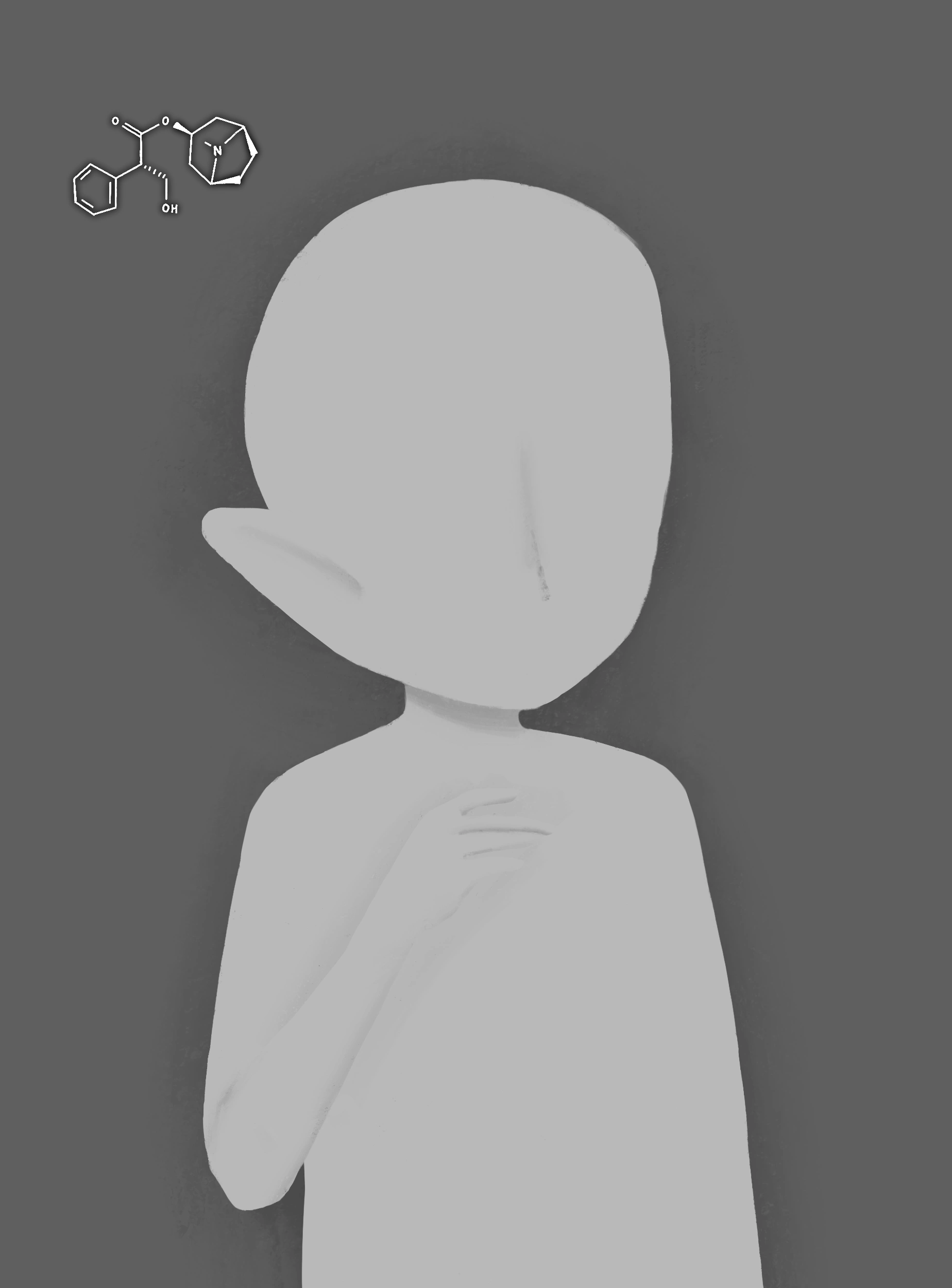 | |
| Molecule | C17H23NO3 |
| Compound | Atropine |
| Era | Ancient |
| Origin | Central & South America, India |
| Archetype | Milady |
| Ancestor | Native American |
| Swag Score | 4 |
| Date Added | 2025-01-12 |
[view source]Effects & Properties
Effects: Vivid hallucinations, disorientation, visual distortions, and amnesia. Datura is highly toxic, with risks including severe delirium, agitation, seizures, and coma.
Natural Occurrence: Datura has been used in traditional medicine and rituals for its sedative and hallucinogenic properties, particularly in Native American and South Asian cultures. The weed grows worldwide in temperate and tropical regions, often in disturbed soils. Appearance: Woody-stalked, leafy herb growing up to 2 meters. The plant has large, coarse, green leaves, trumpet-shaped white or purple flowers, and spiky seed pods. Dried leaves or seeds appear as grayish-green to brownish material, with a bitter, unpleasant odor.
[view source]History
Datura species have been used in shamanic and ritual contexts for thousands of years across multiple continents, with archaeological evidence of Datura use in the American Southwest dating to at least 1000 BCE. It was sacred to both Aztec priests (as toloache) and Hindu devotees of Shiva in India, and it features prominently in European witchcraft traditions as an ingredient in "flying ointments." Datura's extreme unpredictability and toxicity have given it a fearsome reputation, and unlike most psychedelics, users rarely report positive experiences, leading to its characterization as a deliriant rather than a true hallucinogen.
[view source]Connections
Archetype: Milady
Ancestor: Native American
Tarot Card: Knight of Wands
PubChem: Atropine
Paired With: Psychotria Viridis, Benadryl
[view source]Sources
- https://erowid.org/plants/datura/datura.shtml
- https://pubchem.ncbi.nlm.nih.gov/compound/Hyoscyamine#section=Use-and-Manufacturing
- https://en.wikipedia.org/wiki/Datura
- Flying ointment - Wikipedia
- Datura stramonium - Wikipedia
- Deliriant - Wikipedia
- Aztec use of entheogens - Wikipedia
- Datura metel - Wikipedia
- Datura quids at Pinwheel Cave, California (PNAS)