
Cocaine
| Cocaine | |
|---|---|
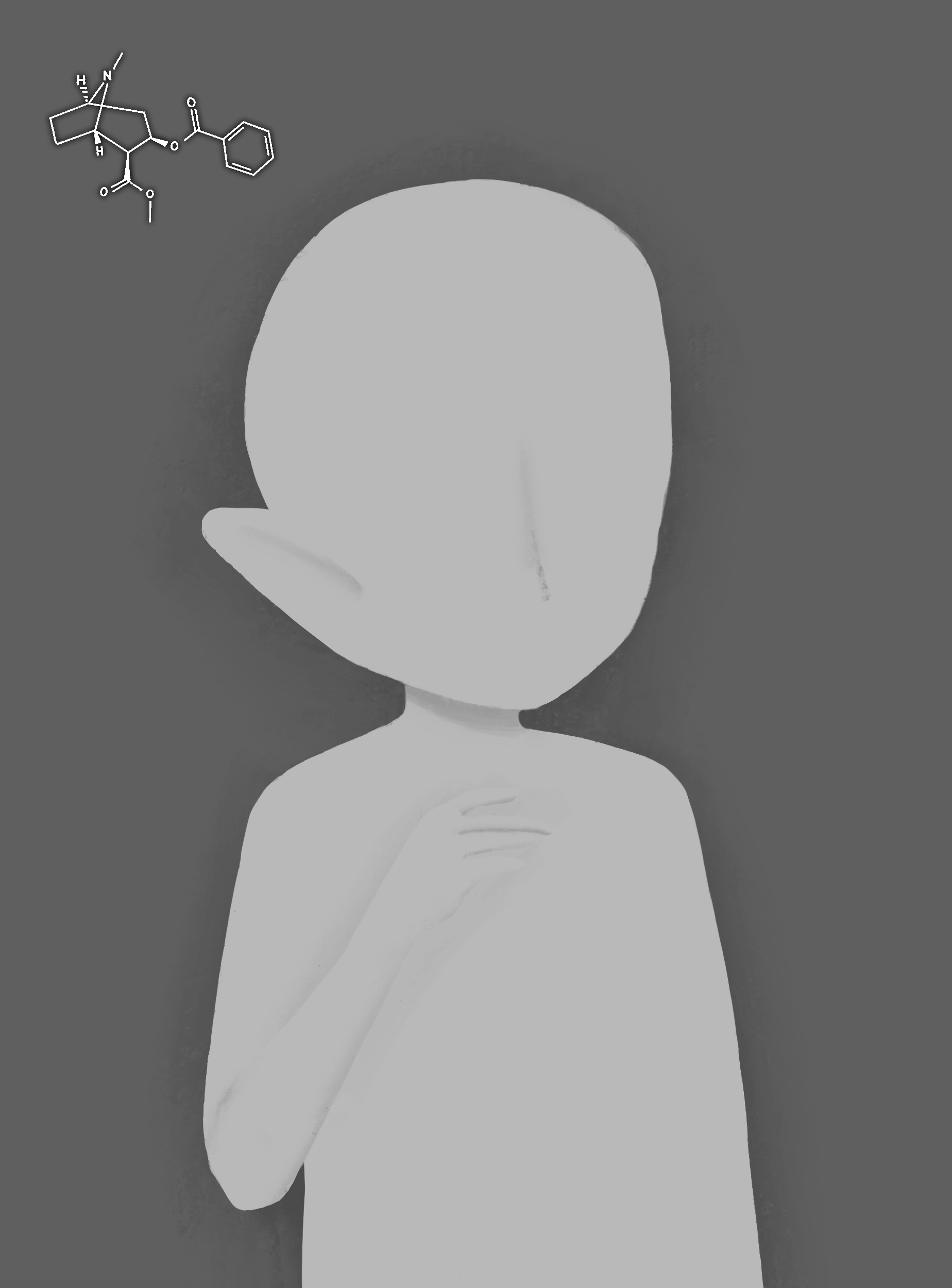 | |
| Molecule | C17H21NO4 |
| Compound | Cocaine |
| Era | Modern |
| Origin | South America |
| Archetype | Chicago Detroit |
| Ancestor | Ballroom |
| Swag Score | 3 |
| Date Added | 2025-01-12 |
[view source]Effects & Properties
Effects: Stimulant. Physically can increase heart rate, reduce appetite, dilated pupils, and elevated blood pressure. High doses may cause tremors, agitation, or seizures. It is highly addictive and can also cause anxiety, paranoia, and hallucinations.
Natural Occurrence: Native to South America, the plant is a shrub cultivated in tropical and subtropical regions. Naturally, it serves as a chemical defense against herbivores and pathogens, deterring consumption due to its bitter taste and toxicity. Culturally, Indigenous Andean people have chewed coca leaves or brewed them as tea for centuries to combat fatigue, hunger, and altitude sickness. Appearance: The plants have glossy green leaves, small white flowers, and red berries. Dried coca leaves are dark green to brownish with a mild, earthy odor when used for chewing or tea.
[view source]History
Cocaine was first isolated from coca leaves by German chemist Albert Niemann in 1860, and its anesthetic and stimulant properties were widely promoted by figures including Sigmund Freud, who published "Uber Coca" in 1884. It was originally included in Coca-Cola (1886) and widely available in patent medicines before the Harrison Narcotics Act of 1914 restricted its sale in the United States. Cocaine fueled the disco and Studio 54 era of the 1970s-80s, and the crack epidemic devastated American inner cities in the late 1980s, while powdered cocaine remained associated with Wall Street excess and nightclub culture.
[view source]Connections
Archetype: Chicago Detroit
Ancestor: Ballroom
Tarot Card: Three of Wands
PubChem: Cocaine
Paired With: Coca
[view source]Sources
- https://www.erowid.org/plants/coca/coca.shtml
- https://pubchem.ncbi.nlm.nih.gov/compound/Cocaine
- Cocaine - Wikipedia
- Albert Niemann (chemist) - Wikipedia
- Erythroxylum coca - Wikipedia
- Harrison Narcotics Tax Act - Wikipedia
- Crack epidemic in the United States - Wikipedia
- Uber Coca: Sigmund Freud, Carl Koller, and Cocaine - JAMA