
Alcohol
| Alcohol | |
|---|---|
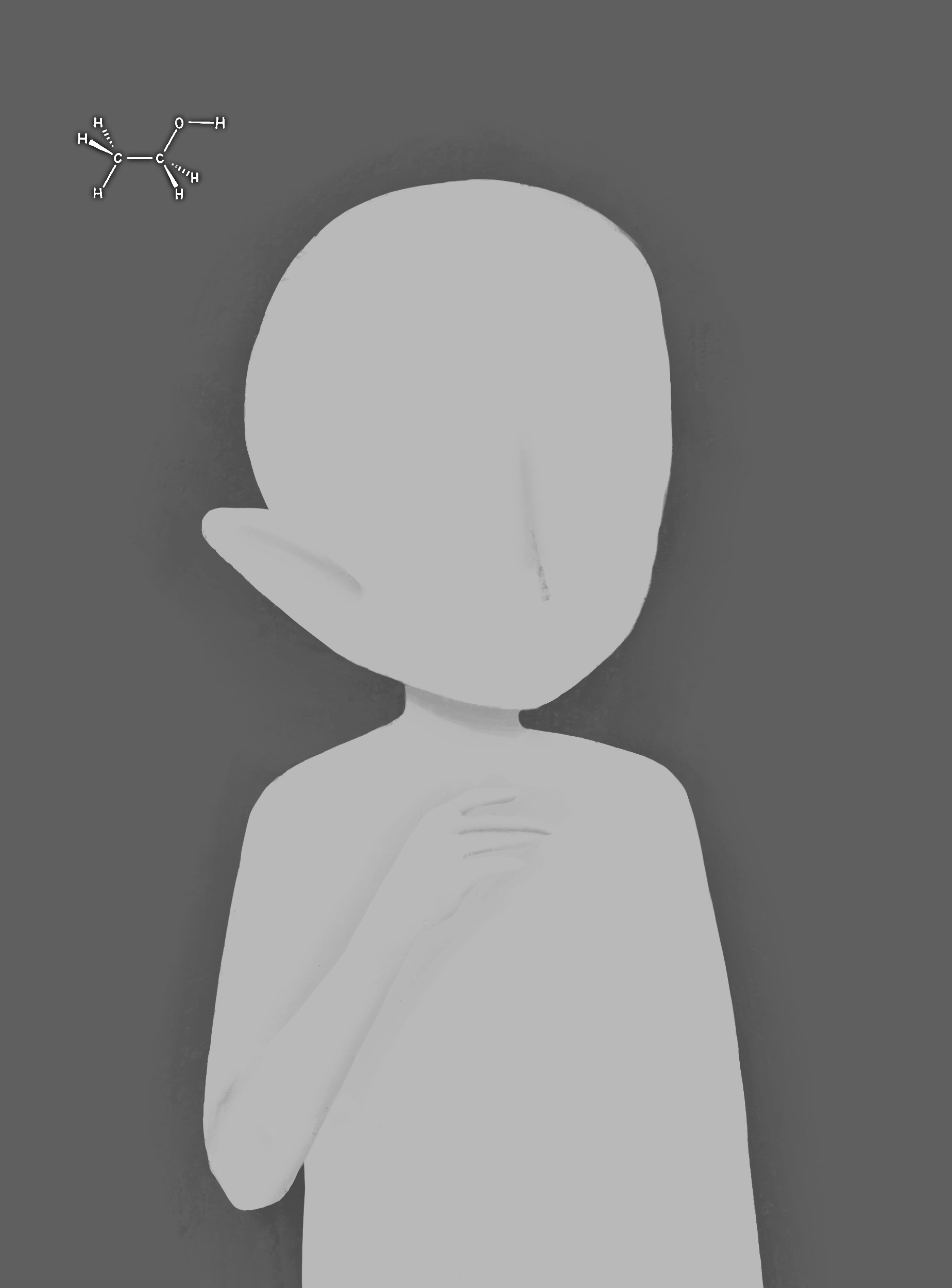 | |
| Molecule | CH3CH2OH |
| Compound | Ethanol |
| Era | Modern |
| Origin | China |
| Archetype | Chicago Detroit |
| Ancestor | Sicanje |
| Swag Score | 1 |
| Date Added | 2025-01-12 |
[view source]Effects & Properties
Effects: Alcohol is a central nervous system depressant. In small amounts, it produces relaxation, lowered inhibitions and mild euphoria. In higher doses, it impairs motor skills, judgment, and can cause intoxication, nausea, or unconsciousness.
Natural Occurrence: Alcohol occurs naturally through fermentation, where microorganisms like yeast convert sugars into ethanol and CO2. It’s found in trace amounts in overripe fruits, fermented plant saps, or natural beverages like kombucha. Appearance: Clear, colorless liquid at room temperature with a slightly sweet, alcoholic odor and a burning taste.
[view source]History
Archaeological evidence suggests that fermented beverages were produced as early as 7000 BCE in Jiahu, China, making alcohol one of the oldest psychoactive substances known to humanity. Alcohol has been central to virtually every major civilization, from Sumerian beer to Egyptian wine to European distilled spirits developed by Arab alchemists around the 8th century CE. Prohibition in the United States (1920-1933) demonstrated the impossibility of suppressing its use, and alcohol remains the most widely consumed legal intoxicant globally.
[view source]Connections
Archetype: Chicago Detroit
Ancestor: Sicanje
Tarot Card: King of Pentacles
PubChem: Ethanol
Paired With: Ethanol
[view source]Sources
- https://www.erowid.org/chemicals/alcohol/alcohol.shtml
- https://pubchem.ncbi.nlm.nih.gov/compound/Ethanol
- https://www.britannica.com/science/ethanol
- Ethanol - Wikipedia
- Alcohol (drug) - Wikipedia
- History of alcoholic drinks - Wikipedia
- Prohibition in the United States - Wikipedia
- Fermented beverages of pre- and proto-historic China (PNAS)
- Ethanol fermentation - Wikipedia