
Syrian Rue
| Syrian Rue | |
|---|---|
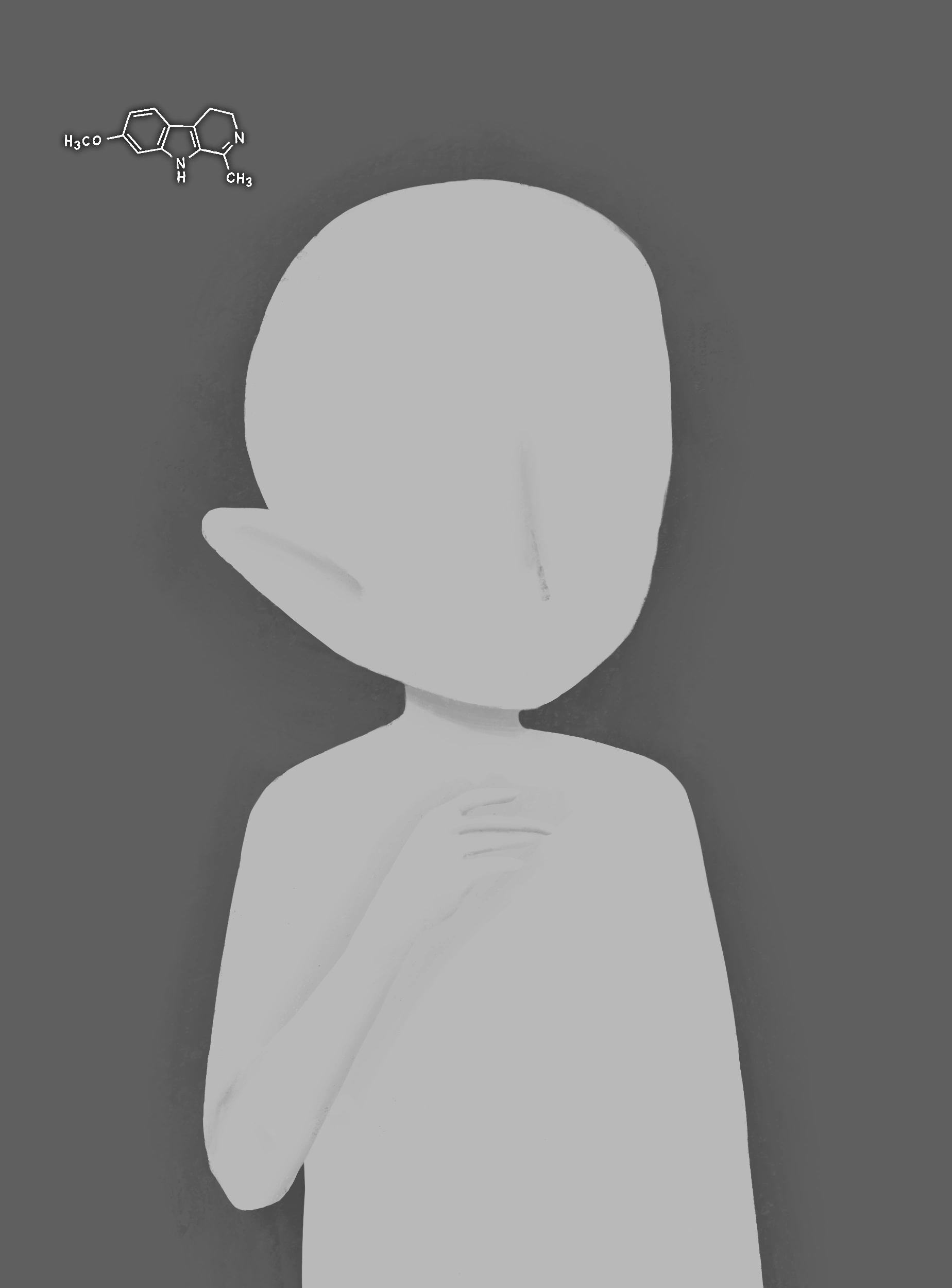 | |
| Molecule | C13H14N2O |
| Compound | Harmaline |
| Era | Ancient |
| Origin | Persia, India |
| Archetype | Freetekno |
| Ancestor | Sufis |
| Swag Score | 4 |
| Date Added | 2025-01-12 |
[view source]Effects & Properties
Effects: Mild sedation, relaxation; used traditionally for its antidepressant, anxiolytic, and antimicrobial properties.
Natural Occurrence: Native to arid and semi-arid regions of the Middle East, Central Asia, and the Mediterranean, Syrian Rue is used in traditional medicine for mood disorders, digestive issues, and as an abortifacient (though unsafe). In rituals, it is combined with DMT-containing plants to potentiate psychedelic experiences. Recreationally, it is used in ayahuasca analogs or as a standalone sedative. Appearance: Syrian rue has small divided green leaves, white to yellow flowers, and small round seed capsules. Dried seeds are brown to black, spherical, and bitter.
[view source]History
Syrian rue (Peganum harmala) has been used for at least 3,000 years across the Middle East, Central Asia, and North Africa, where it holds deep spiritual significance in Zoroastrian, Islamic, and Sufi traditions as a protective herb burned as incense (espand) to ward off the evil eye. The plant contains the MAO-inhibiting alkaloids harmine and harmaline, which were originally named "telepathine" when first isolated from Banisteriopsis caapi in the early 20th century. In the modern psychedelic community, Syrian rue gained popularity from the 1990s onward as an accessible MAO inhibitor for creating "anahuasca" or "pharmahuasca" brews, serving as a substitute for the South American Banisteriopsis caapi vine.
[view source]Connections
Archetype: Freetekno
Ancestor: Sufi
Tarot Card: The Hierophant
PubChem: Harmaline
Paired With: Iproniazid
[view source]Sources
- https://erowid.org/plants/syrian_rue/syrian_rue.shtml
- https://pubchem.ncbi.nlm.nih.gov/compound/Harmine
- https://www.drugs.com/npp/syrian-rue.html
- Peganum harmala - Wikipedia
- Harmala alkaloid - Wikipedia
- Harmine - Wikipedia
- Pharmacological and therapeutic effects of Peganum harmala and its main alkaloids - PMC