
St John's Wort
| St John's Wort | |
|---|---|
 | |
| Molecule | C30H16O8 |
| Compound | Hypericin |
| Era | Ancient |
| Archetype | Freetekno |
| Ancestor | Greek |
| Swag Score | 4 |
| Date Added | 2025-01-12 |
[view source]Effects & Properties
Effects: Mood elevation, reduced anxiety, and improved emotional well-being. Effects are subtle, requiring consistent use over weeks for noticeable benefits.
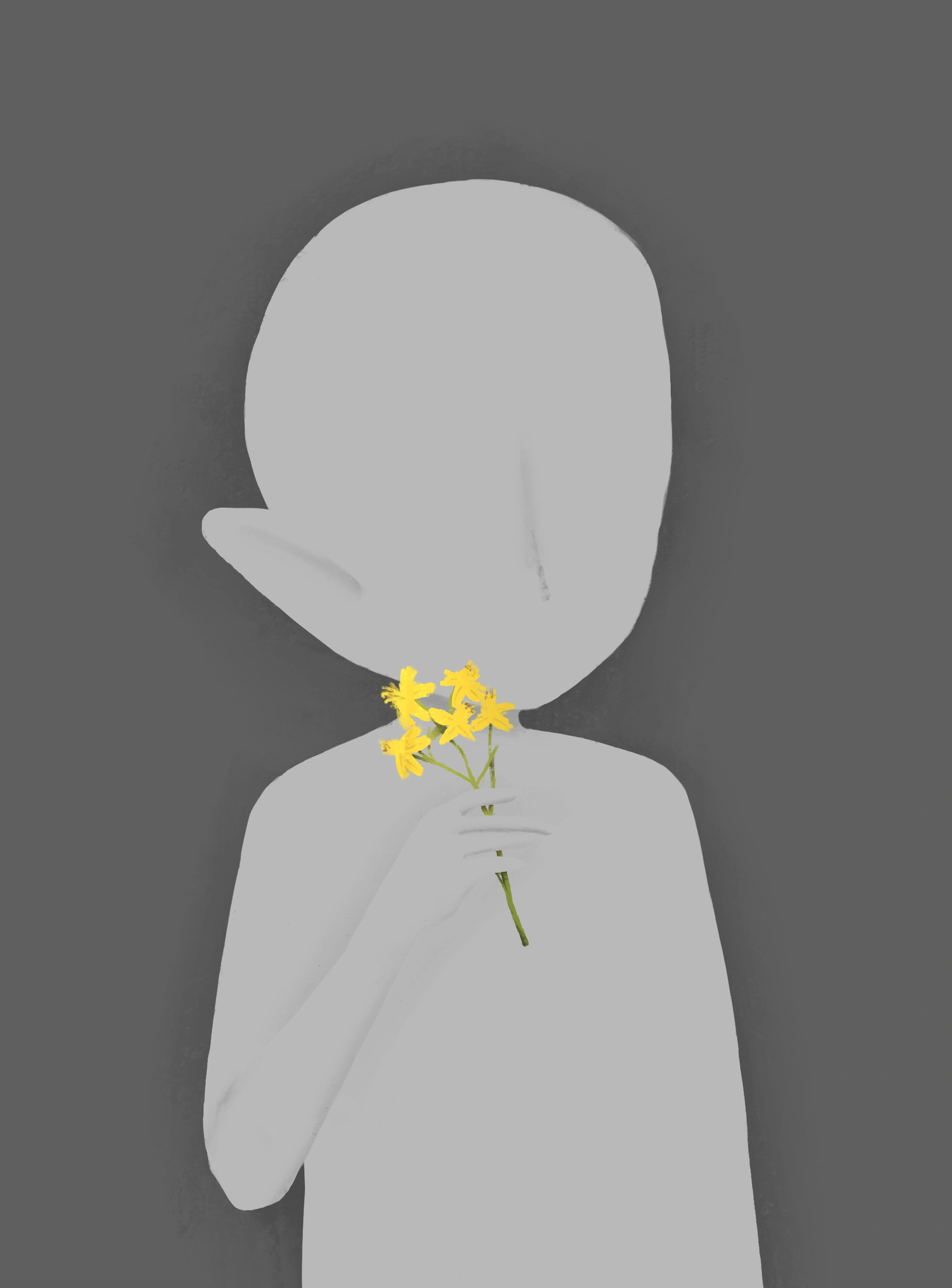
Natural Occurrence: Native to Europe, Asia, and North Africa, this perennial herb grows in temperate regions, often as a weed in meadows or roadsides. St. John’s Wort is used in herbal supplements for depression and mood disorders and has a long history in traditional European medicine for wound healing and mental health. Appearance: The plant has a bushy structure with perforated leaves, yellow flowers, and green leaves. Dried St. John’s Wort appears as yellowish-green to brownish herbal material with a slightly bitter, earthy odor.
[view source]History
St. John's Wort (Hypericum perforatum) has been used medicinally since ancient Greece, where Hippocrates and Dioscorides recommended it for wound healing and nervous conditions around the 1st century CE. Its name derives from its traditional harvest on St. John's Day (June 24), and medieval Europeans believed it could ward off evil spirits and melancholy. Modern clinical trials beginning in the 1990s, particularly in Germany where it was already the most prescribed antidepressant, demonstrated its efficacy for mild to moderate depression, making it one of the best-studied herbal medicines and a bridge between ancient herbalism and modern psychopharmacology.
[view source]Connections
Archetype: Freetekno
Ancestor: Greek
[view source]Sources
- https://erowid.org/herbs/sjwort/sjwort.shtml
- https://pubchem.ncbi.nlm.nih.gov/compound/Hypericin
- https://www.webmd.com/vitamins/ai/ingredientmono-329/st-johns-wort
- Hypericum perforatum - Wikipedia
- Hypericin - Wikipedia
- Hypericin - PubChem (CID 3663)
- St John's wort for major depression - Cochrane/PMC
- Medical Attributes of St. John's Wort - NCBI Bookshelf
- St. John's Wort - NCCIH