
Ololiuqui
| Ololiuqui | |
|---|---|
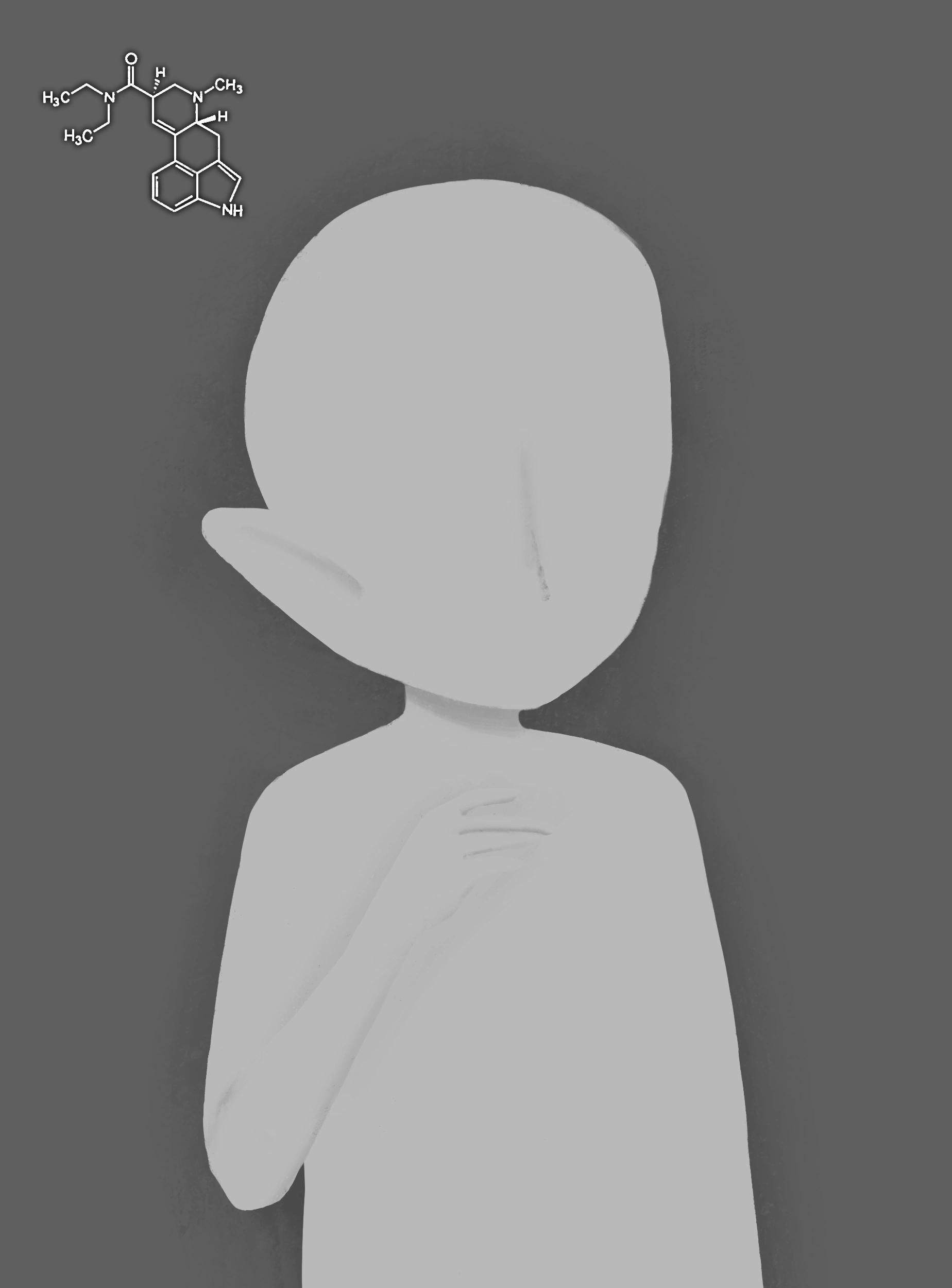 | |
| Molecule | C20H25N3O |
| Compound | Lysergide |
| Era | Ancient |
| Origin | Central and South America |
| Archetype | Acidhouse |
| Ancestor | Mayan |
| Swag Score | 5 |
| Date Added | 2025-01-12 |
[view source]Effects & Properties
Effects: Mild to moderate visual hallucinations, calmness, and dream-like states.
Natural Occurrence: Native to Central and South America, this perennial vine grows in tropical and subtropical regions. Traditionally used by Mesoamerican cultures (like the Aztecs) in spiritual and shamanic rituals for divination and healing, often as a seed infusion. Recreationally, ololiuqui seeds are consumed for their psychedelic effects. Appearance: Climbing vine with heart-shaped green leaves, white to pale purple trumpet-shaped flowers, and small brown to black round seeds. Dried seeds are hard, dark, and bitter.
[view source]History
Ololiuqui (Turbina corymbosa, formerly Rivea corymbosa) was one of the most important ritual plants of pre-Columbian Mesoamerica, used by the Aztecs, Mazatecs, and other peoples as a divinatory sacrament, with detailed descriptions in 16th-century Spanish colonial texts including those by Francisco Hernandez (1570). Its active compounds, ergine (LSA) and related ergot alkaloids, were identified by Albert Hofmann in 1960, establishing a remarkable chemical link between an ancient Mesoamerican sacrament and modern LSD. Ololiuqui use persists among indigenous communities in Oaxaca, Mexico, where curanderos continue to employ the seeds for healing and divination.
[view source]Connections
Archetype: Acidhouse
Ancestor: Mayan
Tarot Card: Page of Wands
PubChem: Lysergide
Paired With: LSD