
MDMA
| MDMA | |
|---|---|
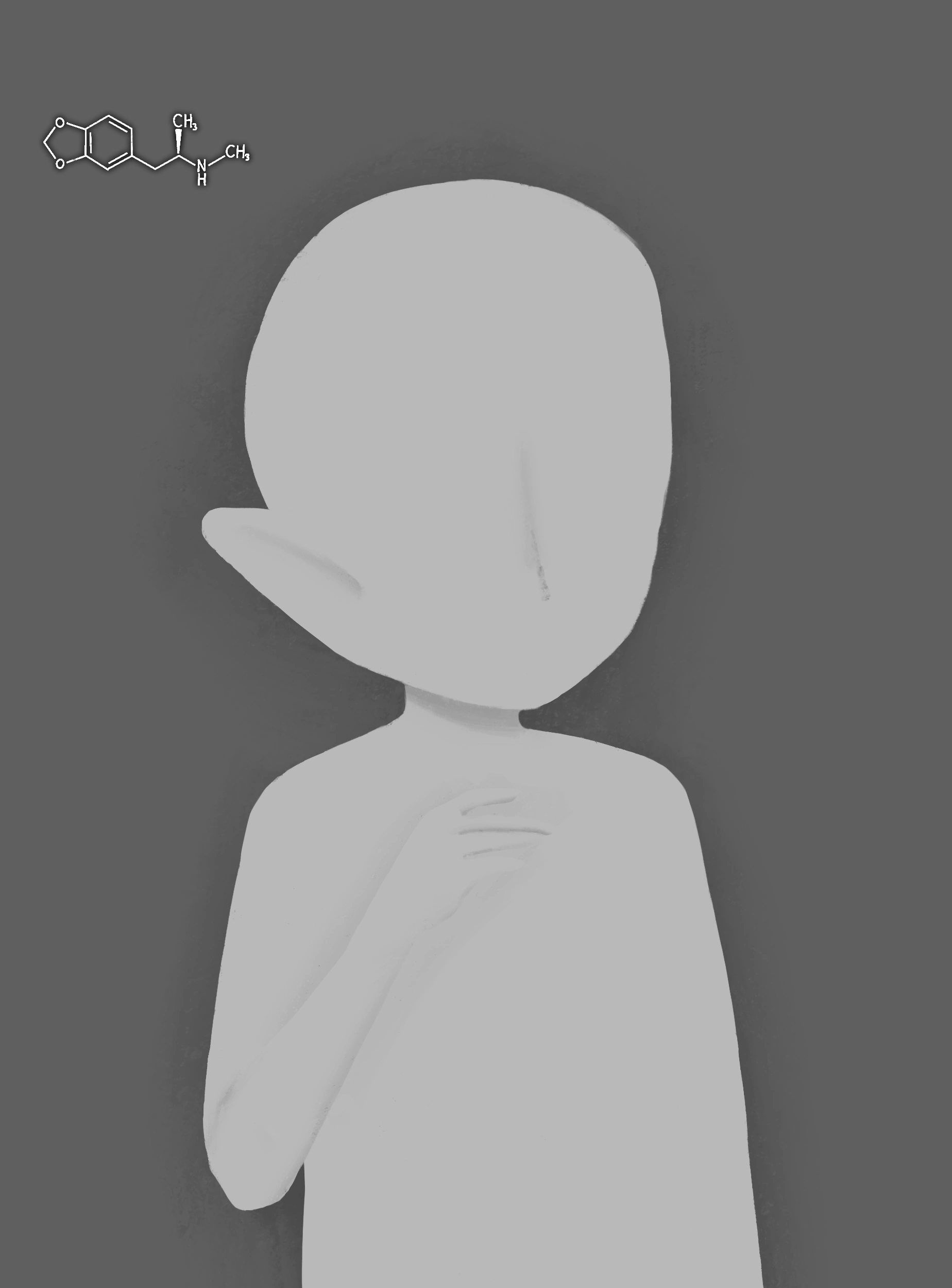 | |
| Molecule | C11H15NO2 |
| Compound | 3,4-Methylenedioxymethamphetamine |
| Era | Modern |
| Origin | Germany |
| Archetype | Milady |
| Ancestor | Native American |
| Swag Score | 3 |
| Date Added | 2025-01-12 |
[view source]Effects & Properties
Effects: Euphoria, emotional warmth, empathy, increased sociability, heightened sensory perception, and enhanced emotional connection.
Natural Occurrence: MDMA does not occur naturally.
[view source]History
MDMA (3,4-methylenedioxymethamphetamine) was first synthesized by Merck chemist Anton Kollisch in 1912 as an intermediate compound in a pharmaceutical patent, and its psychoactive effects went unrecognized for decades. Alexander Shulgin resynthesized it in 1976 and introduced it to psychotherapist Leo Zeff, who championed it as a therapeutic tool nicknamed "Adam" for its ability to return patients to a state of emotional openness. MDMA became synonymous with rave culture after fueling the Second Summer of Love in the UK in 1988-1989, and it remains the defining drug of electronic dance music culture worldwide, with ongoing clinical trials now advancing toward FDA-approved PTSD therapy.
[view source]Connections
Archetype: Milady
Ancestor: Native American
Tarot Card: The Lovers
Paired With: Sassafras
[view source]Sources
- https://erowid.org/chemicals/mdma/mdma.shtml
- https://pubchem.ncbi.nlm.nih.gov/compound/MDMA
- https://www.drugs.com/illicit/mdma.html
- MDMA - Wikipedia
- Anton Kollisch - Wikipedia
- Alexander Shulgin - Wikipedia
- Second Summer of Love - Wikipedia
- MDMA-assisted psychotherapy - Wikipedia
- 3,4-Methylenedioxymethamphetamine | C11H15NO2 - PubChem