
Mandrake
| Mandrake | |
|---|---|
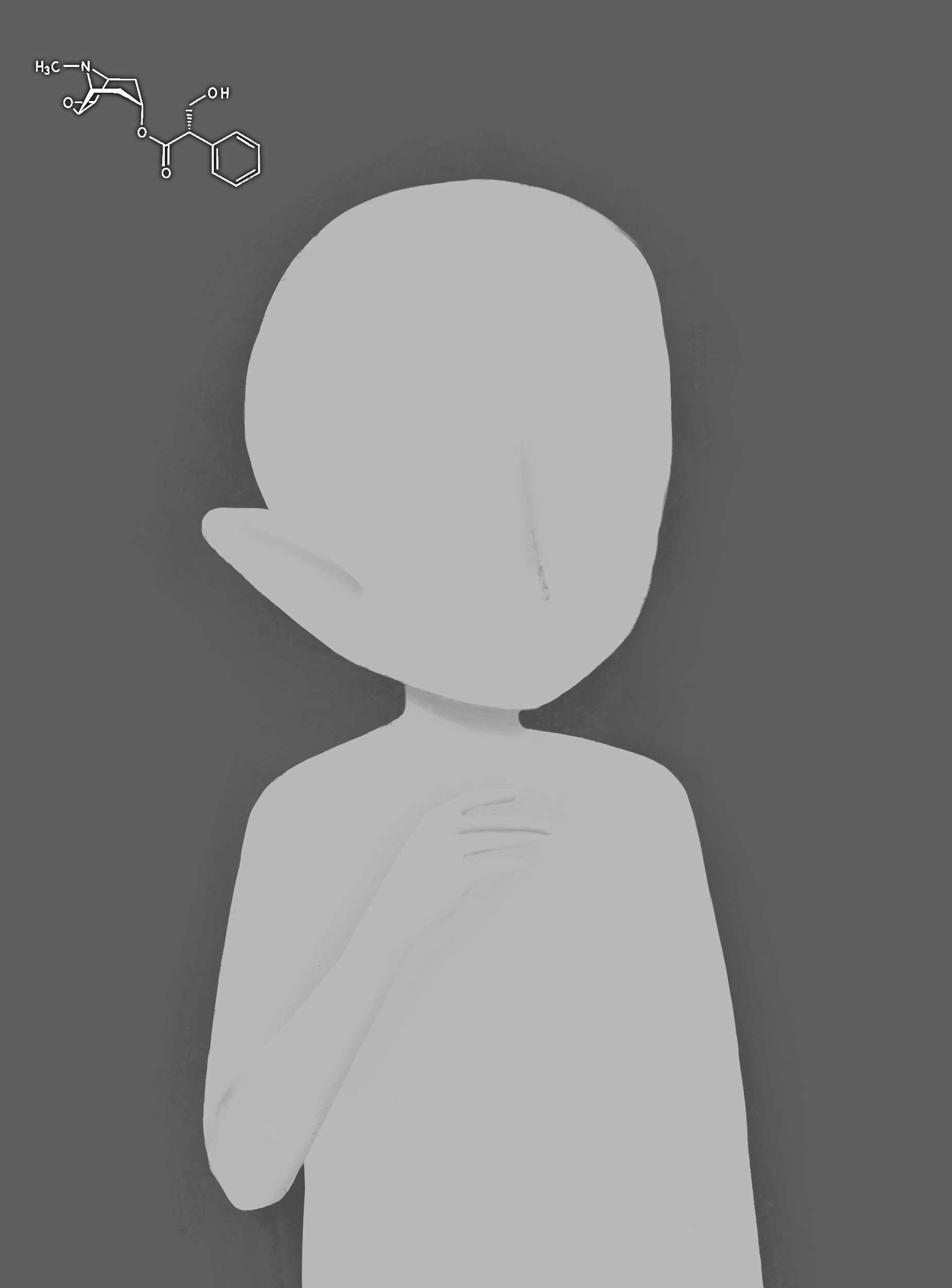 | |
| Molecule | C17H21NO4 |
| Compound | Scopolamine |
| Era | Ancient |
| Origin | Europe, Middle East |
| Archetype | Freetekno |
| Ancestor | Greek, Arabs |
| Swag Score | 5 |
| Date Added | 2025-01-12 |
[view source]Effects & Properties
Effects: At high doses induces delirium, vivid hallucinations, confusion, and disorientation. Medically can be used to treat motion sickness, postoperative nausea, and irritable bowel syndrome.
Natural Occurrence: Native to the Mediterranean and Middle East, this herb grows in dry sunny areas. Historically, mandrake was used in European and Mediterranean folk medicine and rituals as a sedative, aphrodisiac, etc. Appearance: The plant has a rosette of dark green, wrinkled leaves, purple or yellowish flowers, and a thick forked root, resembling a human figure (hence its mythical status). Dried roots or leaves are brown to grayish with an earthy bitter odor.
[view source]History
Mandrake (Mandragora officinarum) is one of the most mythologized plants in Western history, with references in the Hebrew Bible (Genesis 30:14), ancient Egyptian texts, and Greek writings by Theophrastus and Dioscorides dating to the 4th century BCE. Medieval European folklore held that the mandrake root screamed when pulled from the ground and that the sound could kill the harvester, leading to elaborate rituals involving dogs tied to the root. Mandrake was a key ingredient in medieval surgical anesthesia (the "soporific sponge") and in witches' "flying ointments," and its human-shaped root made it one of the most potent symbols in Western occult tradition.
[view source]Connections
Archetype: Freetekno
Tarot Card: Four of Swords
Paired With: Xanax