
Kava
| Kava | |
|---|---|
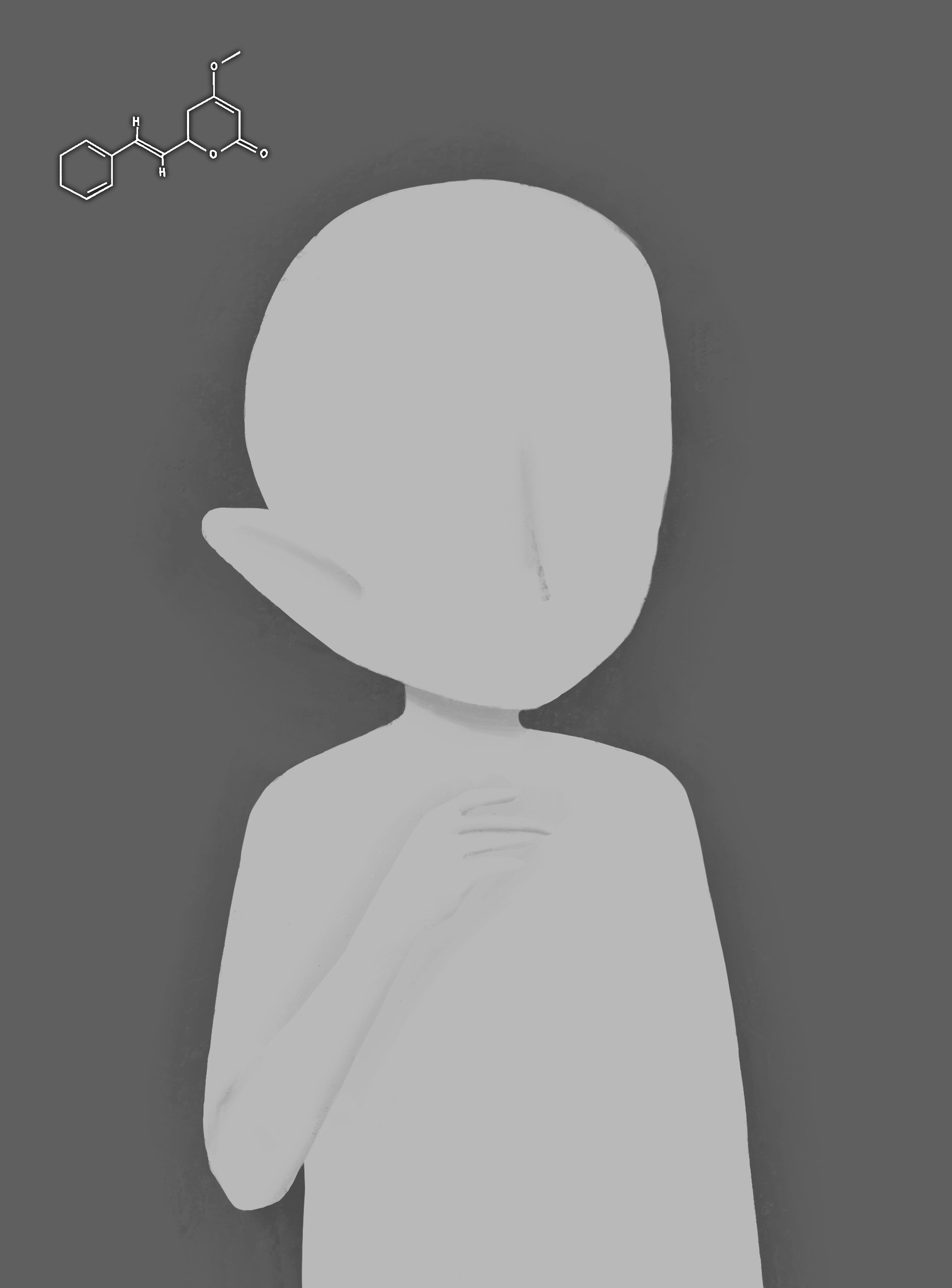 | |
| Molecule | C14H16O3 |
| Compound | Kavain |
| Era | Ancient |
| Origin | Pacific Polynesia |
| Archetype | Acidhouse |
| Ancestor | Polynesian, Aboriginal |
| Swag Score | 1 |
| Date Added | 2025-01-12 |
[view source]Effects & Properties
Effects: Small amounts produce euphoria, large amounts produce extreme relaxation, lethargy and eventually sleep. Visual and auditory hallucination lasts for 2-3 hours (Kava is not classed as a hallucinogen but rather as a hypnotic narcotic). Effects are usually not noticed when used the first few times (like marijuana). It also produces numbing of the mouth.
Natural Occurrence: The plant grows in cool, moist highlands or wet forests up to 300 meters above sea level. It grows best where summer temperatures are between 26-32 Celcius. Its range is across the South Pacific. Constant excessive use with alcohol can become an addiction, and after several months can cause yellowing of the skin, bloodshot and weak eyes, as well as other side effects. The symptoms disappear within two weeks after the drinking has stopped. Appearance: Tropical evergreen shrub up to 4 meters tall with heart-shaped leaves up to 16cm long and short spikes rising from the base of the leaf stem. The spikes are densely covered with flowers.
[view source]History
Kava has been consumed for over 3,000 years by Pacific Island cultures across Polynesia, Melanesia, and Micronesia, where it served as a sacred ceremonial drink used to communicate with ancestors, resolve conflicts, and mark important social occasions. Captain James Cook documented kava ceremonies during his Pacific voyages in the 1770s, introducing the plant to European awareness. In the late 20th century kava gained global popularity as a natural anxiolytic, though concerns about liver toxicity led to temporary bans in several European countries in the early 2000s.
[view source]Connections
Archetype: Acidhouse
Ancestor: Polynesian, Aboriginal
Tarot Card: Temperance
Paired With: CBD