
Henbane
| Henbane | |
|---|---|
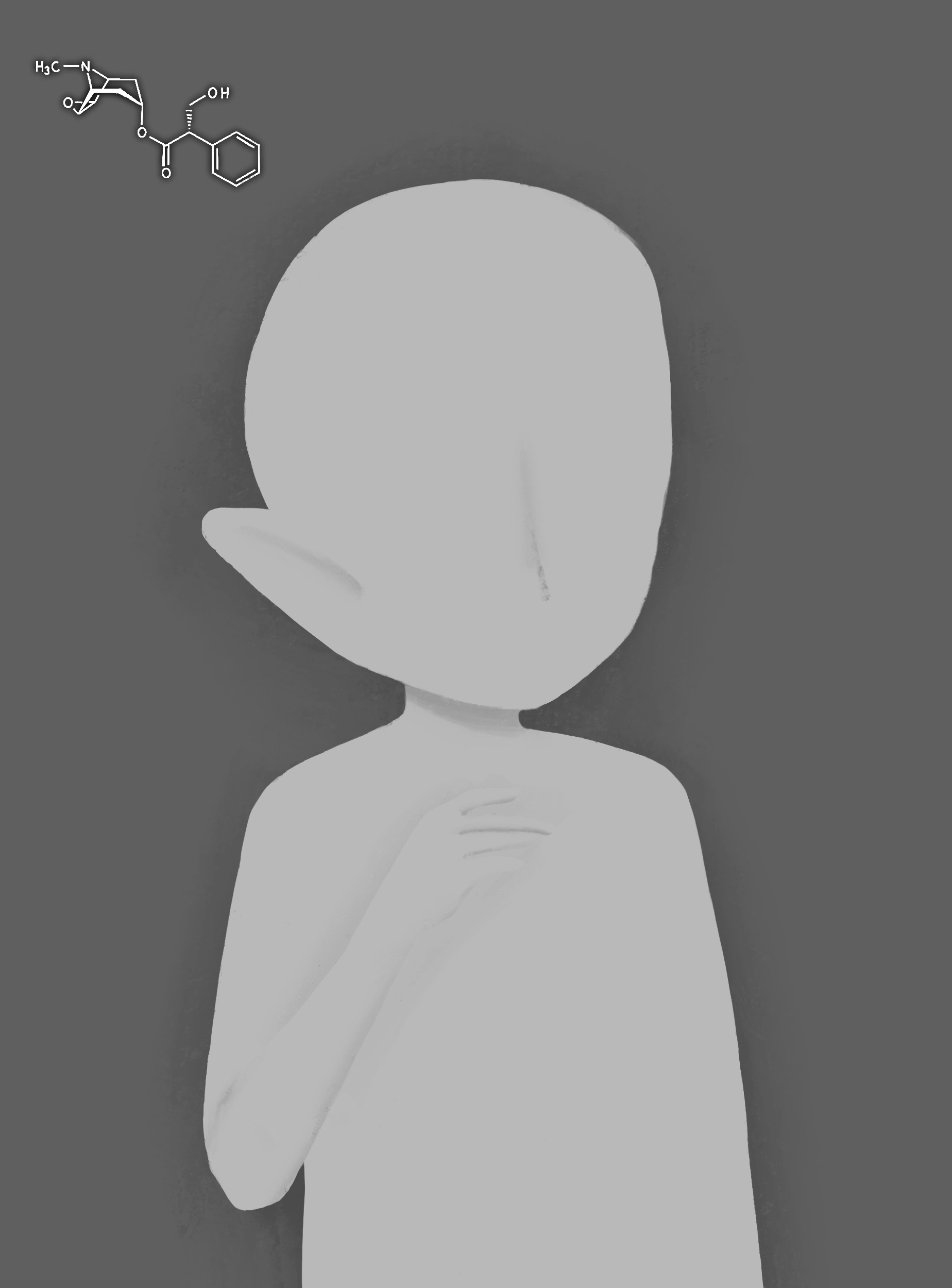 | |
| Molecule | C17H21NO4 |
| Compound | Scopolamine |
| Era | Ancient |
| Origin | Southern Europe, Western Asia, North Africa |
| Archetype | Freetekno |
| Ancestor | Greek |
| Swag Score | 2 |
| Date Added | 2025-01-12 |
[view source]Effects & Properties
Effects: In low doses can treat motion sickness, postoperative nausea, and irritable bowel syndrome. High doses can cause sedation, delirium, and vivid hallucinations.
Natural Occurrence: Henbane is an annual or biennial herb native to Europe, North Africa, and Western Asia, thriving in disturbed soils, roadsides, and wastelands. Henbane was used in ancient and medieval Europe for pain relief, anesthesia, and ritualistic purposes, often in combination with other Solanaceae plants like belladonna or mandrake. Its toxicity limits modern recreational use, but it remains significant in ethnobotany and pharmacology. Historically, henbane was prepared as dried leaves, seeds, or roots for smoking, ingestion, or topical ointments. Appearance: Plant which has dull green, hairy leaves, yellowish flowers with purple veins, and small, seed-filled capsules (urn-shaped, enclosed in a calyx). Dried henbane appears as grayish-green to brownish herbal material with a strong, unpleasant, acrid odor. Seeds are small, dark, and disc-shaped.
[view source]History
Henbane (Hyoscyamus niger) has been used since antiquity, with references in ancient Egyptian, Greek, and Roman texts dating back to at least 1550 BCE (the Ebers Papyrus). The Greek physician Dioscorides described its use as an anesthetic and pain reliever in the 1st century CE, and it was a key ingredient in medieval European "witches' flying ointments" alongside belladonna and mandrake. Henbane was also used as a beer additive in medieval Germany before the Reinheitsgebot (purity law) of 1516 restricted beer ingredients, and archaeological evidence of henbane seeds has been found at Viking and Anglo-Saxon sites across Northern Europe.
[view source]Connections
Archetype: Freetekno
Ancestor: Greek
Tarot Card: Seven of Swords
PubChem: Scopolamine
Paired With: Scopolamine
[view source]Sources
- https://erowid.org/plants/henbane/henbane.shtml
- https://botanicalinstitute.org/henbane/
- https://en.wikipedia.org/wiki/Hyoscyamus_niger
- Ebers Papyrus - Wikipedia
- Scopolamine - Wikipedia
- Hyoscyamine - Wikipedia
- Tropane alkaloid - Wikipedia
- Reinheitsgebot - Wikipedia
- Black henbane and its toxicity - a descriptive review (PMC)
- A seeress from Fyrkat? - National Museum of Denmark