
Ephedra
| Ephedra | |
|---|---|
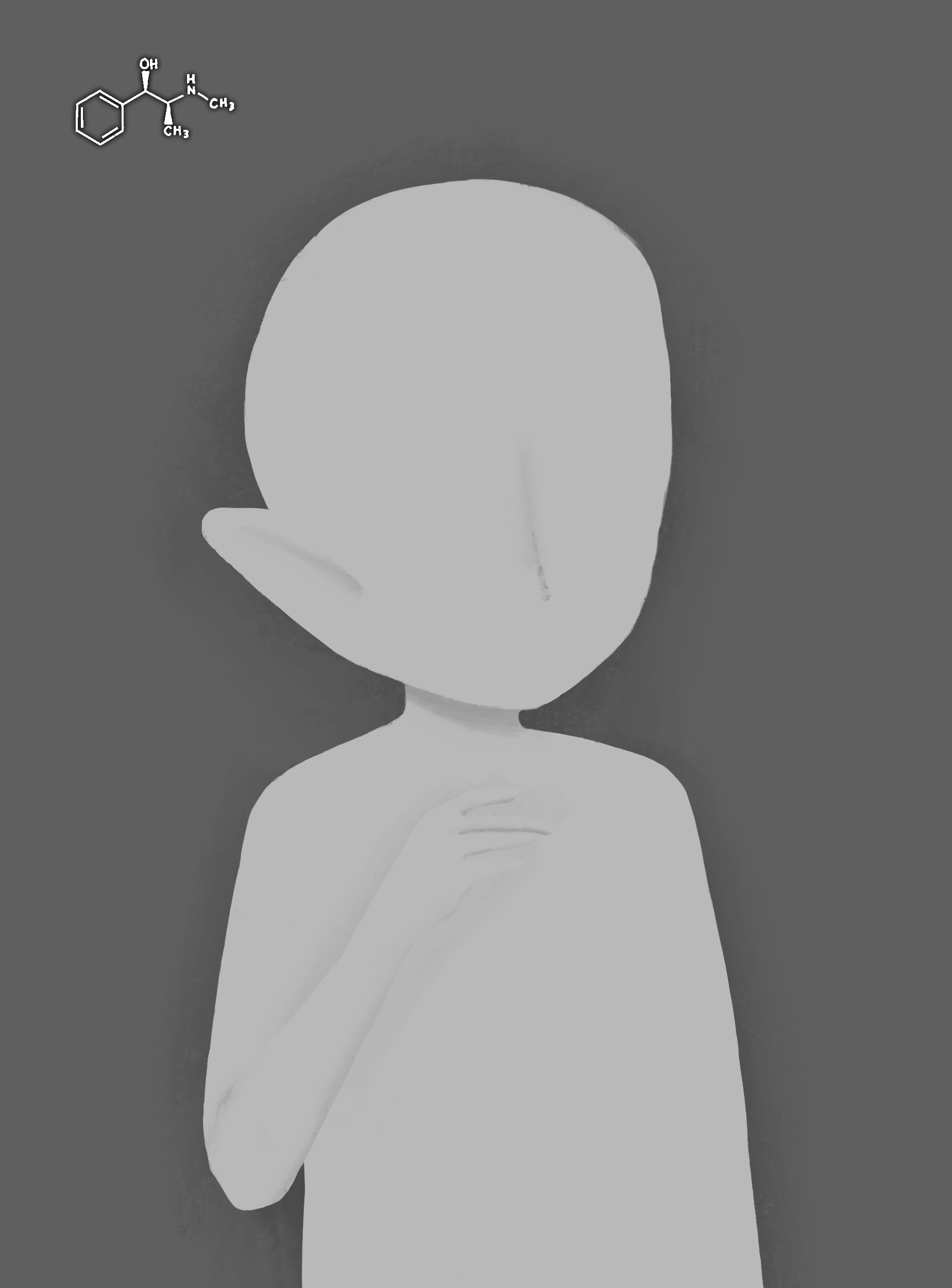 | |
| Molecule | C10H15NO |
| Compound | Ephedrine |
| Era | Ancient |
| Origin | China |
| Archetype | Milady |
| Ancestor | Chinese, Palestinian |
| Swag Score | 4 |
| Date Added | 2025-01-12 |
[view source]Effects & Properties
Effects: Mild to moderate stimulation, increased alertness, energy, and focus. Users may experience improved concentration and reduced fatigue.
Natural Occurrence: Native to Asia (especially China and Mongolia), these shrubs grow in arid regions. Traditionally, Ephedra (Ma Huang) is used in Chinese medicine as a tea or extract for colds, asthma, and energy. Recreationally, ephedrine is used for its stimulant effects, though not as common due to regulation. Appearance: Leafless, jointed shrubs with green to yellowish-stems, resembling thin twigs and small, scale-like leaves. Dried Ephedra appears as greenish-brown to grayish stems.
[view source]History
Ephedra (Ma Huang) has been used in traditional Chinese medicine for over 5,000 years, with the earliest written references appearing in the Shen Nung pharmacopoeia around 2700 BCE, prescribed for asthma, colds, and fever. Japanese chemist Nagai Nagayoshi isolated the active alkaloid ephedrine from Ephedra in 1885, which later served as the chemical basis for the synthesis of amphetamine and methamphetamine. Ephedra-based dietary supplements became enormously popular in the 1990s for weight loss and energy before the FDA banned ephedra-containing supplements in 2004 following reports of heart attacks and strokes.
[view source]Connections
Archetype: Milady
Ancestor: Chinese, Palestinian
Tarot Card: Ace of Wands
PubChem: Ephedrine
Paired With: Dextroamphetamine, Methamphetamine
[view source]Sources
- https://www.erowid.org/plants/ephedra/ephedra.shtml
- https://pubchem.ncbi.nlm.nih.gov/compound/Ephedrine
- https://pubchem.ncbi.nlm.nih.gov/compound/Ephedrine
- Ephedra (plant) - Wikipedia
- Ephedra (medicine) - Wikipedia
- Ephedrine - Wikipedia
- Nagai Nagayoshi - Wikipedia
- The history of Ephedra (ma-huang) - PubMed
- Ephedra - NCCIH