
Ashwagandha
| Ashwagandha | |
|---|---|
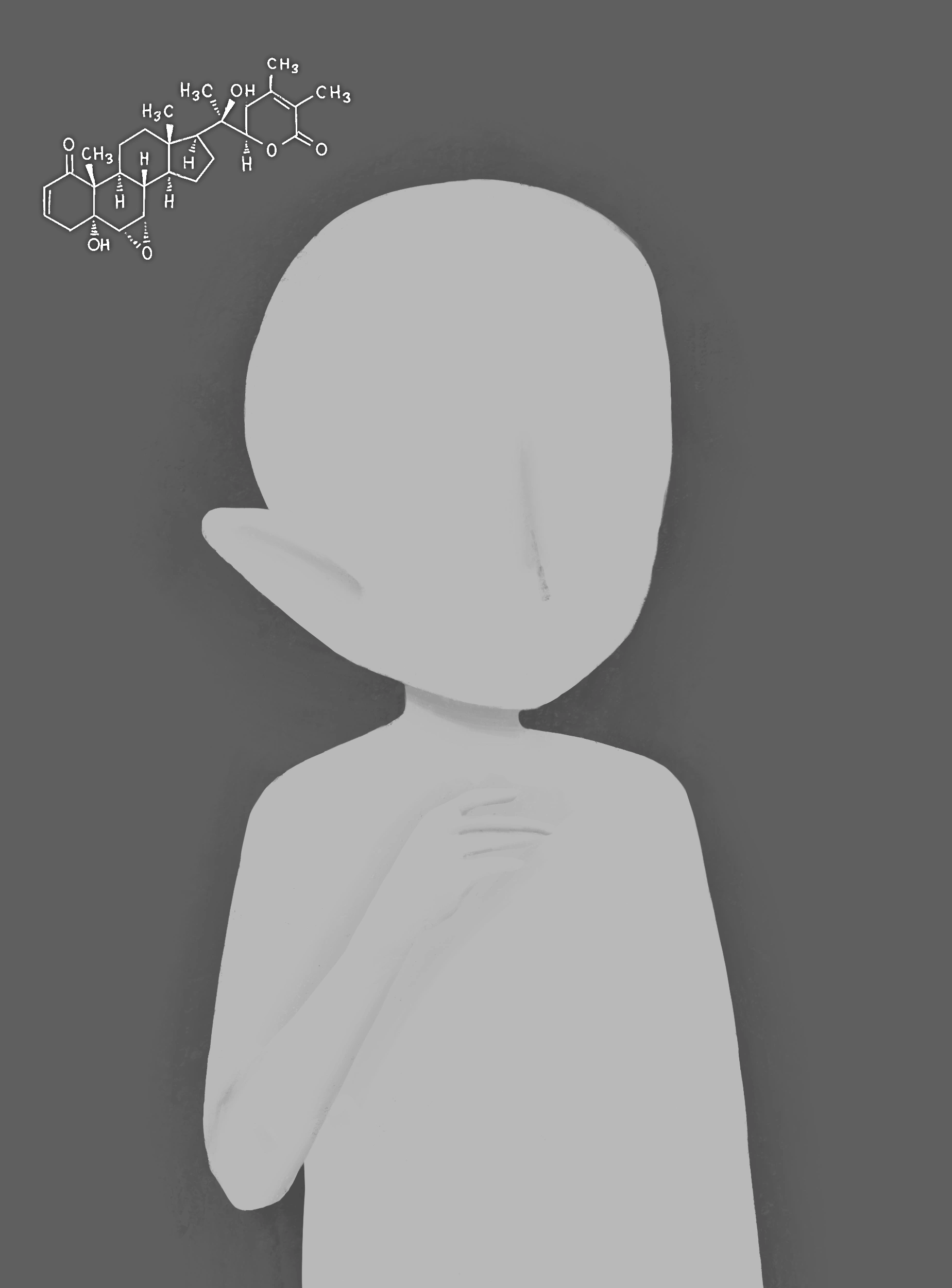 | |
| Molecule | C28H40O8 |
| Compound | Withanolides |
| Era | Ancient |
| Origin | India, Middle East, parts of North Africa |
| Archetype | Milady |
| Ancestor | Hindu |
| Swag Score | 5 |
| Date Added | 2025-01-12 |
[view source]Effects & Properties
Effects: Mild calming effects, reducing anxiety and stress without sedation. Enhances mood, focus, and cognitive function with chronic use. Effects are subtle, requiring 2-8 weeks for noticeable benefits.
Natural Occurrence: Native to India, the Middle East, and parts of Africa, this small shrub grows in arid and semi-arid regions. Used in Ayurvedic medicine for stress, anxiety, fatigue, and cognitive support. Available as capsules, powders, or teas in herbal supplements. Appearance: The plant has dull green, oval leaves, small greenish-yellow flowers, and red-orange berries encased in papery calyx. Dried roots are light brown to tan, often ground into a beige to brownish powder.
[view source]History
Ashwagandha (Withania somnifera) has been one of the most important herbs in Ayurvedic medicine for over 3,000 years, described in the foundational Ayurvedic text Charaka Samhita as a rasayana (rejuvenator) that promotes longevity, vitality, and mental clarity. Its Sanskrit name means "smell of the horse," referring both to its distinctive odor and the traditional belief that it confers the strength and vigor of a stallion. Ashwagandha experienced a massive surge in Western popularity in the 2010s-2020s as an adaptogen supplement, driven by clinical studies demonstrating its efficacy in reducing cortisol and anxiety, making it one of the most commercially successful crossovers from traditional medicine to modern wellness culture.
[view source]Connections
Archetype: Milady
Ancestor: Hindu
Tarot Card: The Hermit
PubChem: Withanolides
Paired With: Testosterone
[view source]Sources
- https://www.drugs.com/npp/ashwagandha.html
- https://www.webmd.com/vitamins/ai/ingredientmono-953/ashwagandha
- https://pubchem.ncbi.nlm.nih.gov/compound/Withanolide-A
- Withania somnifera - Wikipedia
- An investigation into the stress-relieving and pharmacological actions of an ashwagandha extract (PMC)
- Ashwagandha: Is it helpful for stress, anxiety, or sleep? - NIH Office of Dietary Supplements