
Arundo Donax
| Arundo Donax | |
|---|---|
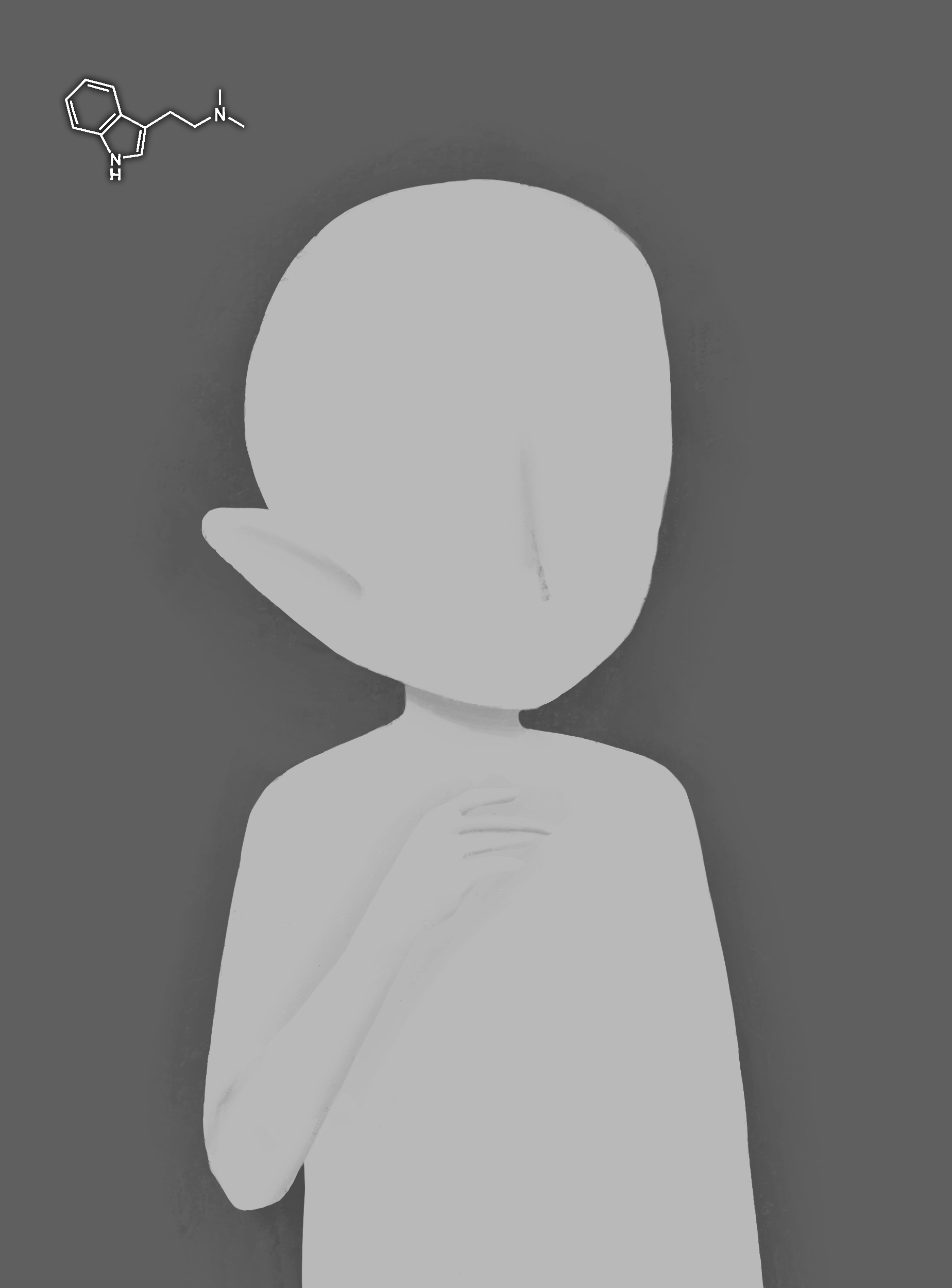 | |
| Molecule | C12H16N2 |
| Compound | N,N-Dimethyltryptamine |
| Era | Ancient |
| Origin | Mediterranean Basin, Middle East |
| Archetype | Acidhouse |
| Ancestor | Native American |
| Swag Score | 5 |
| Date Added | 2025-01-12 |
[view source]Effects & Properties
Effects: Diuretic, sudorific, and inti-inflammatory. Induces mild visual distortions and altered perception.
Natural Occurrence: Native to the Mediterranean but invasive globally, including California, this grass grows in riparian areas, reaching 9-30 feet tall. Arundo donax’s traditional medicinal uses include treatment of skin, gastrointestinal, and urinary issues. Appearance: Tall grass with hollow, bamboo-like stems, pale green to blue-green leaves (up to 2 feet long), and plume-like cream to brown flowerheads. Dried plant material is light brown to grayish-green with a grassy odor.
[view source]History
Arundo donax (giant reed) has been used since antiquity in the Mediterranean region, with ancient Egyptians and Greeks employing it for making reeds for musical instruments, pens, and building materials. Its psychoactive potential was largely overlooked until the late 20th century, when researchers identified DMT and related tryptamine alkaloids in the plant's rhizomes and flowers. While not traditionally consumed as an entheogen, Arundo donax's DMT content has made it of interest to the modern psychedelic community, particularly as it grows abundantly as an invasive species in California and other warm climates.
[view source]Connections
Archetype: Acidhouse
Ancestor: Native American
Tarot Card: King of Swords
PubChem: N,N-Dimethyltryptamine
Paired With: DMT