
Mibera #507
| Mibera #507 | |
|---|---|
| Grail | Mongolian |
| Grail Category | ancestor |
| Parcel | 507 |
Grail #507 · Ancestor · Mongolian
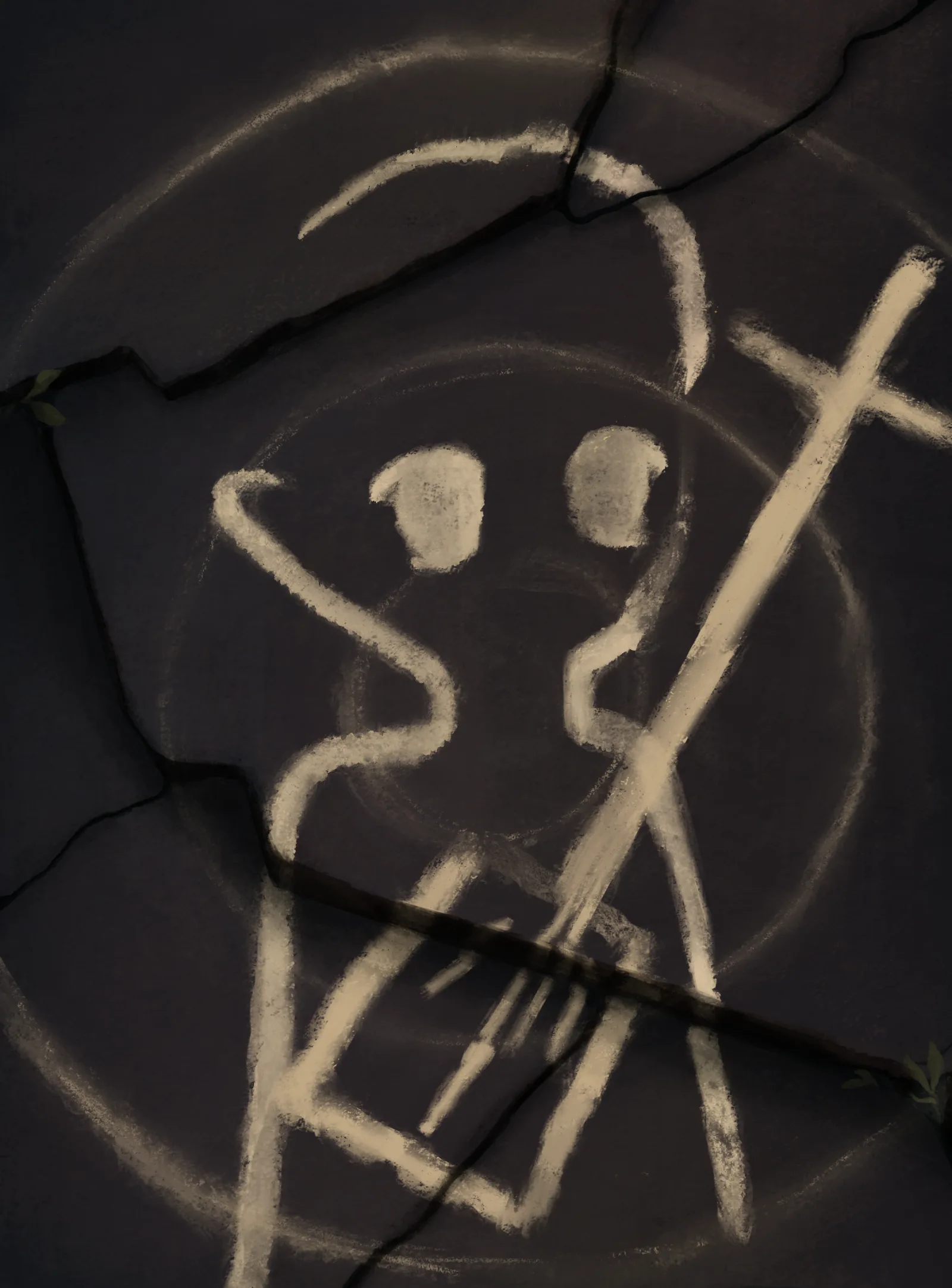
This grail was placed on a random Mibera post-reveal.
[view source]Reveal Timeline
The original generative Mibera that this grail was placed on post-reveal.
| MiParcels | Miladies | #1.1 | #2.2 | #3.3 | #4.20 | #5.5 | #6.9 | #7.7 |
|---|---|---|---|---|---|---|---|---|
 |
 |
 |
 |
 |
 |
 |
 |
 |
Original Mibera (Phase 8)

Simplified cave art with morin khuur and throat singing circles
[view source]Cultural Context
Mongolian petroglyphs (cave art) date back thousands of years, depicting animals, hunters, and ritual scenes across Central Asia and Siberia. The morin khuur (horsehead fiddle) is a traditional Mongolian bowed string instrument, considered a symbol of the Mongolian nation. Khoomei (throat singing) is a vocal technique where the singer produces multiple simultaneous tones — recognized by UNESCO as Intangible Cultural Heritage.
[view source]Visual Elements
Simplified Mongolian cave art style. Holding a morin khuur. Circles moving outward from the figure to represent sound and throat singing.
[view source]Justification
Ancestors are a load-bearing trait in the Mibera system — each of the 10,000 Miberas inherits an ancestor as their cultural lineage. The ancestor grails represent each lineage as its own identity.
Parcel: MiParcel #507